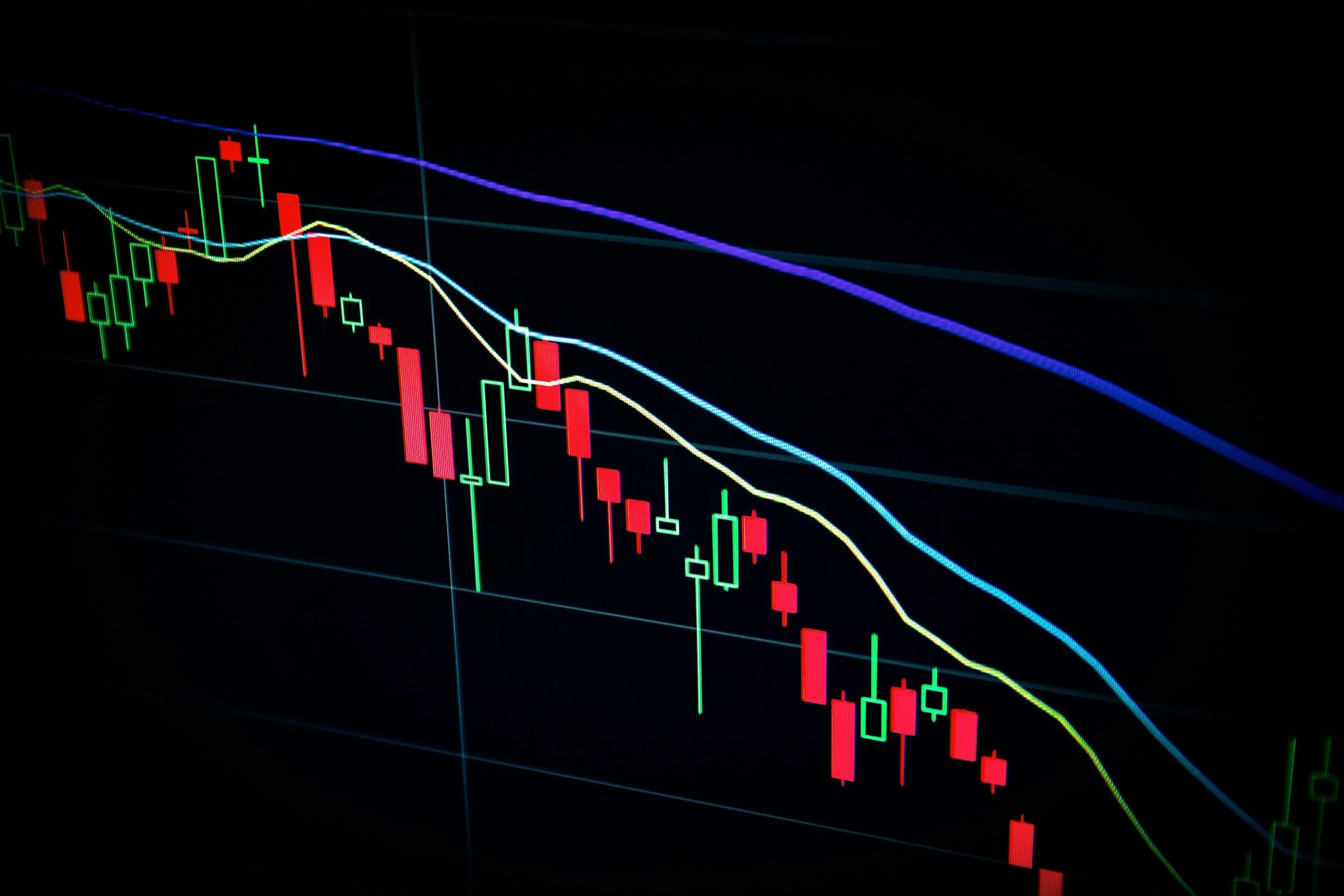
A market fall on its own is usually a poor reason to switch your super to cash. If you move after prices have fallen, you can lock in losses and miss a recovery while you’re in cash. When someone asks me about switching, I start with a question. What did you need this money to do before the market fell, and has any of that changed?
I explore this in this week’s Financial Autonomy Essentials podcast after a call with a client who was worried about their investments. In the episode, I talk through what I look for when markets fall and a client starts to doubt their plan.
What’s happening on the ASX and Wall Street?
Market snapshot, Monday morning, 23 November 2026: The ASX 200 fell 1.6% on Friday to about 8,593 points, taking its loss for the week to more than 5%. On Wall Street, a sell-off led by AI stocks pushed the S&P 500 down 3.7% on Friday to 6,910.39, more than 10% below its October high. Before the Australian market opened on Monday, ASX 200 futures pointed to a further fall of about 0.6%.
If you open your super app after seeing those numbers, take a look at what your investment option actually holds. The ASX 200 measures Australian shares and the S&P 500 tracks large US companies. Your super may hold both alongside bonds, cash and other investments. That’s why two people can see different moves in their balances on the same day, and why even diversified investments can have negative years.
What happens if you move your super to cash after a fall?
When you switch some or all of your existing balance, you move it out of your current option at the price your fund applies under its switching rules. That can reduce your exposure if shares keep falling. If the investments you’ve left recover, the money you moved misses that recovery while it’s in cash.
If your plan is to move back once things settle down, you’ll have a second decision to make. By the time the news feels reassuring, prices may already have moved.
At client reviews, I often look back at how an investment has performed since the account began. One client made a substantial investment in late 2008, during the global financial crisis. It went on to do well over the long term. There was luck in that timing. When the client invested, there was no way to know how much further markets might fall. The outcome was obvious only with hindsight.
What should you check before changing your super option?
First, work out what you’re asking your fund to change. Some funds let you change how future contributions are invested separately from how your existing balance is invested. If you’re looking at the settings in your fund’s app, check which money the change applies to and when it takes effect.
Then think about what’s prompted the review. Have you brought forward the date you’ll need the money? Has this fall shown you that the ups and downs in your current option are harder to live with than you expected? Both are worth understanding before you make a change. I’ve written more about how much investment risk to take.
If you’re close to retirement, it’s worth knowing where your first withdrawals would come from during a bad year. I cover that in sequencing risk in retirement.
Worried a market fall could change when you retire?
If a fall in your super has you wondering whether you can still finish work when you planned, we can work through the numbers with you. Our retirement planning advice looks at when you’ll need to draw on your savings, where that income could come from and how a bad year might affect your retirement date.
You can book a first appointment or start with our free Retirement Readiness Guide.
Paul Benson is a Certified Financial Planner at Guidance Financial Services in Melbourne, helping Australians plan for retirement and build wealth. He hosts the Financial Autonomy podcast.
This article is for educational purposes only and does not take into account your individual circumstances. If you would like tailored advice, we can help you work through the numbers properly.