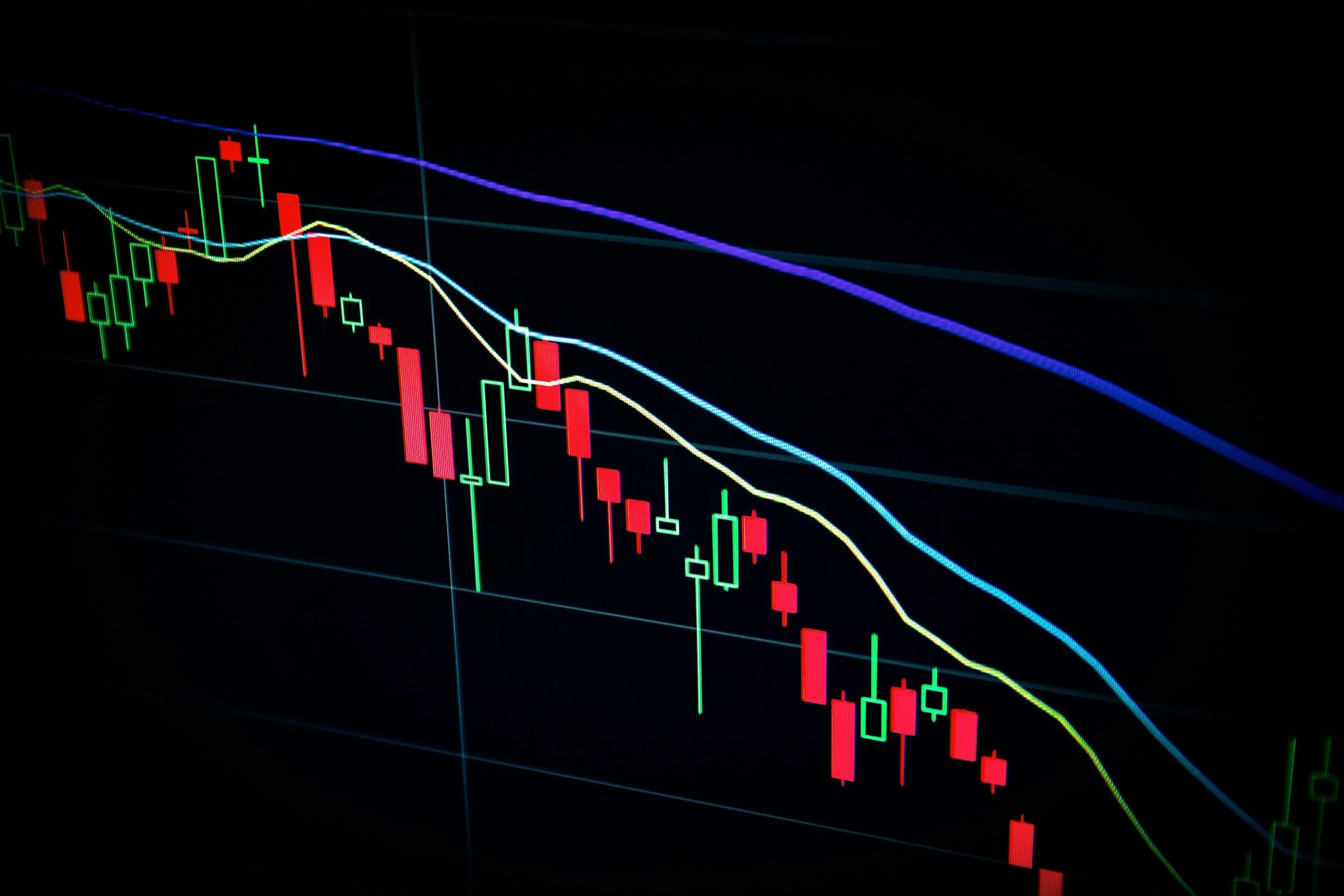
If you’re a couple of years from retirement, it’s worth reviewing how your super is invested. When I do this with a client, I start with a question: if shares fell just after you stopped work, where would the money for your first year’s bills come from? For some people, part-time income or savings outside super will cover a fair bit. For others, super will need to do most of the work. That’s what helps me work out whether setting aside some money in a more stable investment option makes sense.
In this episode of the Financial Autonomy podcast, Should You Change How You Invest Before You Retire?, I talk through what I look at with clients before their pay stops.
How much of your super will you actually need in the first two years?
When I sit down with someone who’s getting close to retirement, I start with what they expect to spend and what other income they’ll have. Two people can have the same super balance and plan to spend the same amount, yet need quite different things from their super.
Say you expect to spend $70,000 a year. If super needs to cover all of it, that’s $140,000 over the first two years. If you expect to earn $30,000 a year after tax from part-time work for both years, that leaves $80,000 to cover from savings over the same period. If you’d be drawing an account-based pension, check its minimum payment too. It can be higher than the amount you need for bills.
At Guidance Financial Service, we sometimes set aside around two years of planned withdrawals in a more stable option, such as cash or a term deposit if the fund offers one and the timing suits. I’d also ask what you already have set aside outside super and how much you’d be comfortable using. That can change what you need to hold inside super.
We often start setting that money aside a couple of years before a client retires. Once they’ve stopped work, I’ll come back to it as their spending and other income change. If they finish up a part-time job, for example, their super may need to cover more of the bills than it did in their first year.
What is sequencing risk in retirement?
Sequencing risk is the risk that poor returns arrive when you’re starting to draw on your investments. If shares fall and you sell some to cover spending, you have fewer shares left to benefit from any recovery.
Here’s a simple example. Two people start with $500,000 and take out $40,000 at the end of each year. One gets a 20% fall followed by a 20% rise and finishes with $392,000. The other gets the same returns in reverse and finishes with $408,000. Without withdrawals, both would have finished with $480,000. The example leaves out fees and tax. It’s the combination of withdrawals and early losses that produces the $16,000 gap.
What should you check with your super fund before you retire?
If you’re planning to draw an account-based pension, here’s the question I’d ask the fund. If I hold some cash in my pension, which investment option will my payments come from? Depending on the fund and your settings, payments might come from the option you nominate or be spread across your investments. It’s possible to hold cash and still be selling some of your growth investments to pay for groceries.
I’d also look at the money you may need ten or twenty years from now. A couple of years of withdrawals is one part of the plan. The rest may still need to grow to help cover rising costs over a long retirement.
If markets have already fallen and you’re thinking about making a switch now, I’ve written separately about what happens when you move super to cash after a fall.
Want to know whether a market fall could change your retirement date?
If you’re a few years out, we can work through what you expect to spend, where your first withdrawals could come from and how an early market fall might affect the date you have in mind. That’s part of our retirement planning advice.
You can book a first appointment or start with our free Retirement Readiness Guide to work through your spending.
Paul Benson is a retirement planning expert at Guidance Financial Services, helping Australians live the retirement they want. He hosts the Financial Autonomy podcast.
This article is for educational purposes only and does not take into account your individual circumstances. If you would like tailored advice, we can help you work through the numbers properly.